

Message from the LAAFCA President
COVID-19 is still a significant challenge across the nation and continues to reap a mounting toll on our people and our communities. Although there is evidence of declining infections and hospitalizations, the threat posed by this virus is still real and deserving of our utmost attention.
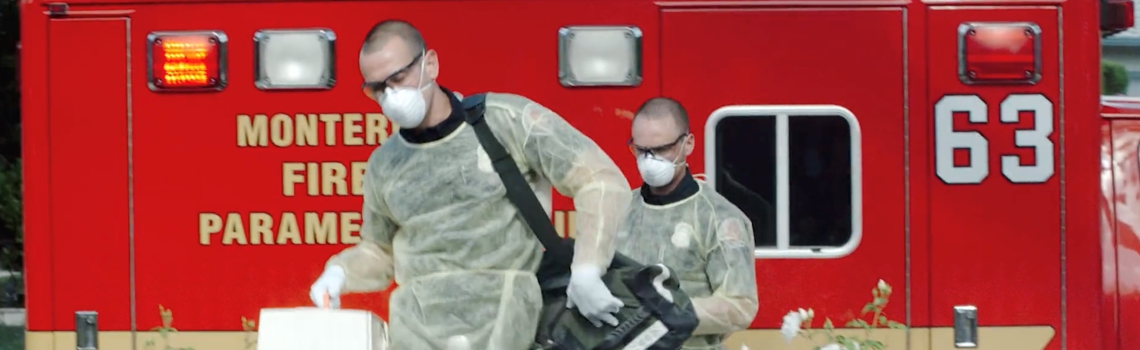
Due to an increase in infections among firefighters and EMS personnel, the Los Angeles Area Fire Chiefs Association developed an initial Safety Stand Down campaign, which local fire agencies participated in during the week of July 20, 2020. Firefighters viewed the Safety Stand Down video, reviewed printed material, and held discussions to underscore the vital importance of PPE, hand-washing, and physical distancing to stop or slow the rate of infection.
A month has passed since that initial Safety Stand Down, and our region’s fire chiefs have agreed to the need to reemphasize this important safety message in a second Safety Stand Down. Why is a second Safety Stand Down needed?
To put it simply, now is a time for leadership and unity. Some have relaxed their views regarding COVID-19 protective measures, which can have dire consequences if unchecked. Now is not the time to let out guard down. We must stay in this fight and take care of each other.
Additionally, there is tremendous stress in the fire service as is evidenced by increases in substance abuse, depression, and domestic violence. Behavioral health is a key focus of the second Safety Stand Down video and must be a prime concern within the fire service during this difficult period.
As a part of this second Safety Stand Down, fire department personnel across the Los Angeles area are requested to view the updated Safety Stand Down video and review the attached documents. Please discuss practical steps that can be taken to maintain cohesion during this time of stress and avoid allowing fatigue or personal views to weaken our individual or collective level of safety.
It is the sincere hope of the Los Angeles Area Fire Chiefs Association that we will be victorious in our fight against this deadly virus and put a stop to any further spread among our valued people.
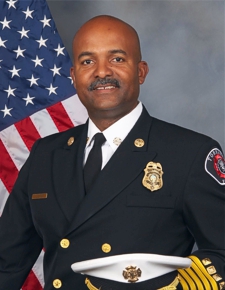
Fire Chief Martin Serna, President
Los Angeles Area Fire Chiefs Association
RTG Firefighter Safety Stand Down II Checklist of Considerations

Take care of each other. Develop and maintain an environment that emphasizes unity.
- We are used to taking care of others in their time of need. Now is a time to also take care of each other.
- Work to manage conflict by being compassionate, empathetic, and forgiving within the fire station.
- Maintain unity. We are a team!

Continue to comply with health directives, especially in the fire station.
- Stay tuned to changing protocols.
- Include COVID-19 updates in fire station lineups and regular training.
- Do not allow the use or non-use of PPE to become a political statement.

Lead by example. We owe this to our communities.
- Wear a face mask.
- Practice good hygiene.
- Maintain physical distancing.

Recognize warning signs of excessive stress. Seek professional assistance when needed.
- Exercise regularly and maintain a good diet.
- Get sufficient rest.
- Pay attention to each other, and provide assistance if needed.
- When stressed, do not hesitate to talk to someone. Some valuable resources are listed below.

Do not become complacent. Stay informed and stay in the fight.
- Report all exposures.
- Report any symptoms.
- Isolate yourself following an exposure or if you are experiencing symptoms.
Documents to Download and Read, Videos to View
- LACoDPH – COVID-19 Best Practices from On-Site Assessment at the Firehouses/Ambulance Quarters-Shared Living Houses
- LACoFD – Redoubling Our Efforts to Keep Each Other Safe – OA-19
- LACoFD – Keeping Each Other Safe Guidelines
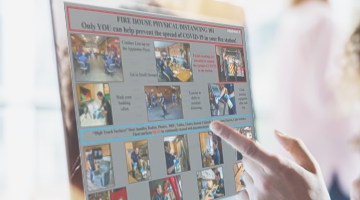
- LACoFD – Fire House Physical Distancing 101
- LACoFD – COVID-19 ICP and Rehab Directives
- LAFD – COVID-19 Hygiene Precautions Video
- CDC – What Firefighters and EMS Providers Need to Know about COVID-19
- CDC/NWCG – Prevention and Management of COVID-19 During Wildland Fire Operations
- CA STAC – COVID-19 – Precautions, Protocols, and PPE For First Responders
- Updated HHS/ASPR – COVID-19 Response Guidance Update, 28 August 2020
- Updated DHS – Master Question List for COVID-19, 4 August 2020
RTG Behavioral Wellness: Identify and Cope with Stress
Stress ad behavioral health issues are significant factors in firefighter’s wellness. They impact physical fitness and present a serious risk to other-on-the-job hazards. Behavioral health challenges do not indicate weakness or unfitness. Lifelong health and wellness depends on self-awareness and taking positive action to manage stress.
View this important training.
RTG Behavioral Wellness: Compassion Fatigue and PTSD
Fire service work grows more demanding each year. Behavioral health issues among firefighters are also increasing. Higher suicide rates among firefighters have been observed. More than 100 US firefighter suicides occur each year, more than line-of-duty deaths. Behavioral health issues present significant risks to firefighter health and well-being.
View this important training.
Firefighters, Mental Health, and PTSD
In a national anonymous survey conducted by the IAFF and NBC, 7,000 respondents revealed a culture where many are trying to cope with mental health and PTSD. 95% experience critical stress on the job, 77% have unresolved issues, 65% have unwanted memories of bad calls, and 27% say the stress has led to substance abuse. Most fear seeking help or talking about their stress. But help is available.
How to Stay Mentally Healthy – Learn More
Everyone experiences stress. Sometimes it can help you focus and get the task at hand done. But when stress is frequent and intense, it can strain your body and make it impossible to function. Finding effective ways to deal is crucial to living well. The National Alliance on Mental Illness provides practical suggestions to help you manage stress and stay mentally healthy.
Warning Signs – Learn More
Most fire fighters and paramedics are exposed to potentially traumatic events as a normal part of their jobs. Following certain bad calls, some may have a strong reaction. They replay the event in their minds, have difficulty sleeping or experience strong, upsetting thoughts and feelings. By talking with others and engaging in self-care, these common stress reactions often subside over time. But what are the signs of symptoms of a level of stress that may indicate a deeper problem? Learn more at IAFFRecoverycenter.com
Depression and Stress Management – Learn more
Stress is the body’s response to physical or emotional demands. Emotional stress can play a role in causing depression or be a symptom of it. A stressful situation can trigger feelings of depression, and these feelings can make it more difficult to deal with stress. Stress management techniques are useful in coping with depression. Stress relief can also help prevent depressive symptoms from developing. Healthline brings together reputable articles and documents that provide helpful tips and anecdotes for good mental health and stress management.
Reputable Stress Management Sites & Resources
- The Treatment Needs of Our Firefighters & First Responders
- 8 Ways for First Responders to Reduce Stress
- Surviving the Job: Emotional Self Care for First Responders
- Crisis Mode: 911 Operators Suffer in Silence
- PTSD and Addiction: The Connection Between Trauma and Drug Addiction
- Addiction Guide for Colleagues